Client
Carlsberg Group
Role
Product Design · User Research
Type
B2B E-commerce
CS+
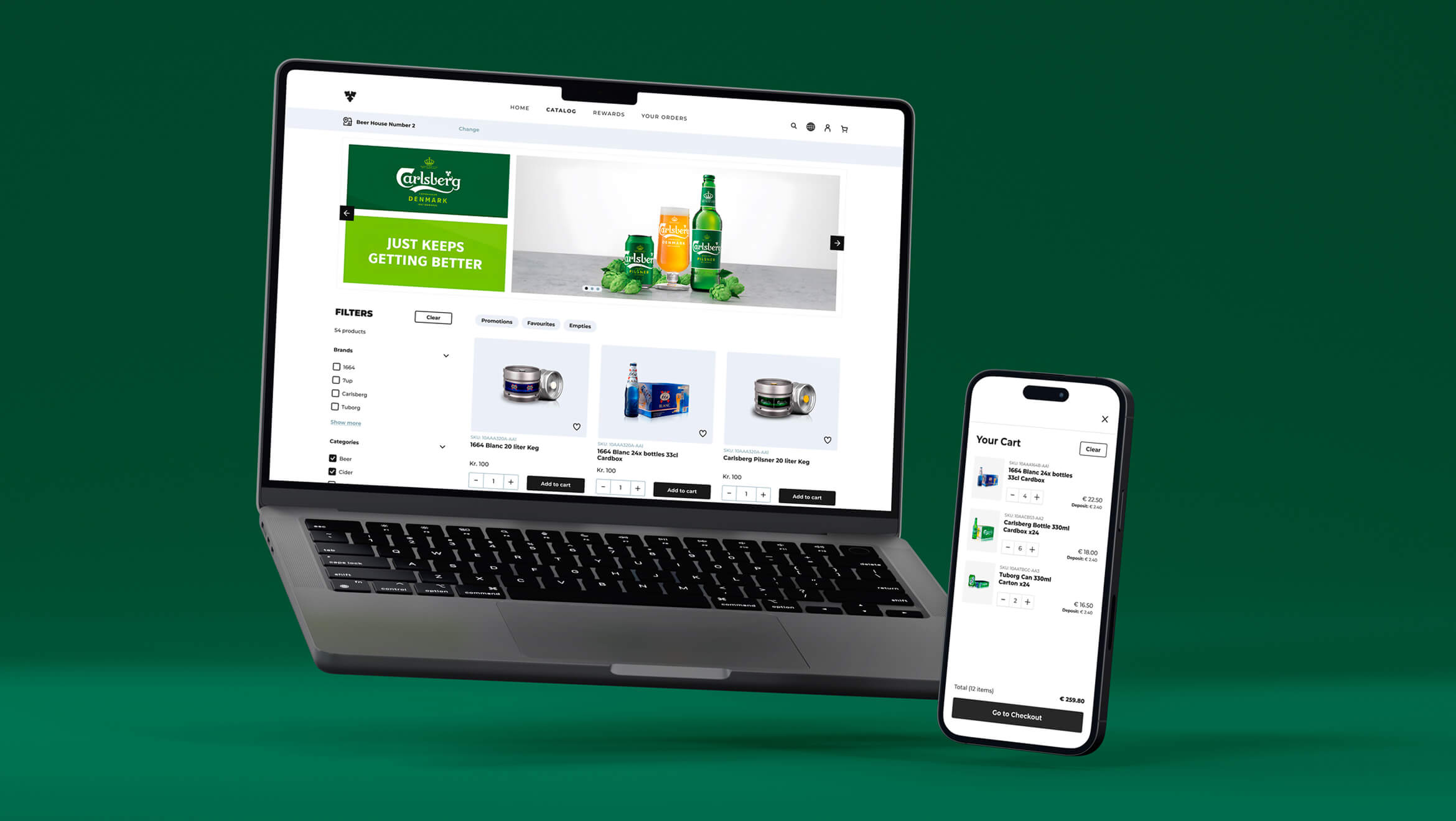
A B2B e-commerce platform designed to scale globally — giving Carlsberg Group's customers a seamless way to order products online.
Carlsberg Group had no direct digital connection with its customers across Asia and Eastern Europe, relying entirely on wholesalers and distributors to reach the market. CS+ was the first attempt to bring a B2B e-commerce platform to these indirect markets, starting with a POC in Laos with BearLao Brewery.
I joined from day one as lead product designer, supporting user research and driving the product from initial concept validation to global scale.
Building CS+, by the numbers
From a proof of concept in Laos to a platform scaling across Asia and Eastern Europe.
8
Weeks to launch MVP in Laos with real customers
25+
Customer interviews across 3 countries
60%
Growth in Carlsberg's global e-commerce after 1 year
4
Markets successfully launched since POC
PHASE 1
Lao Brewery POC
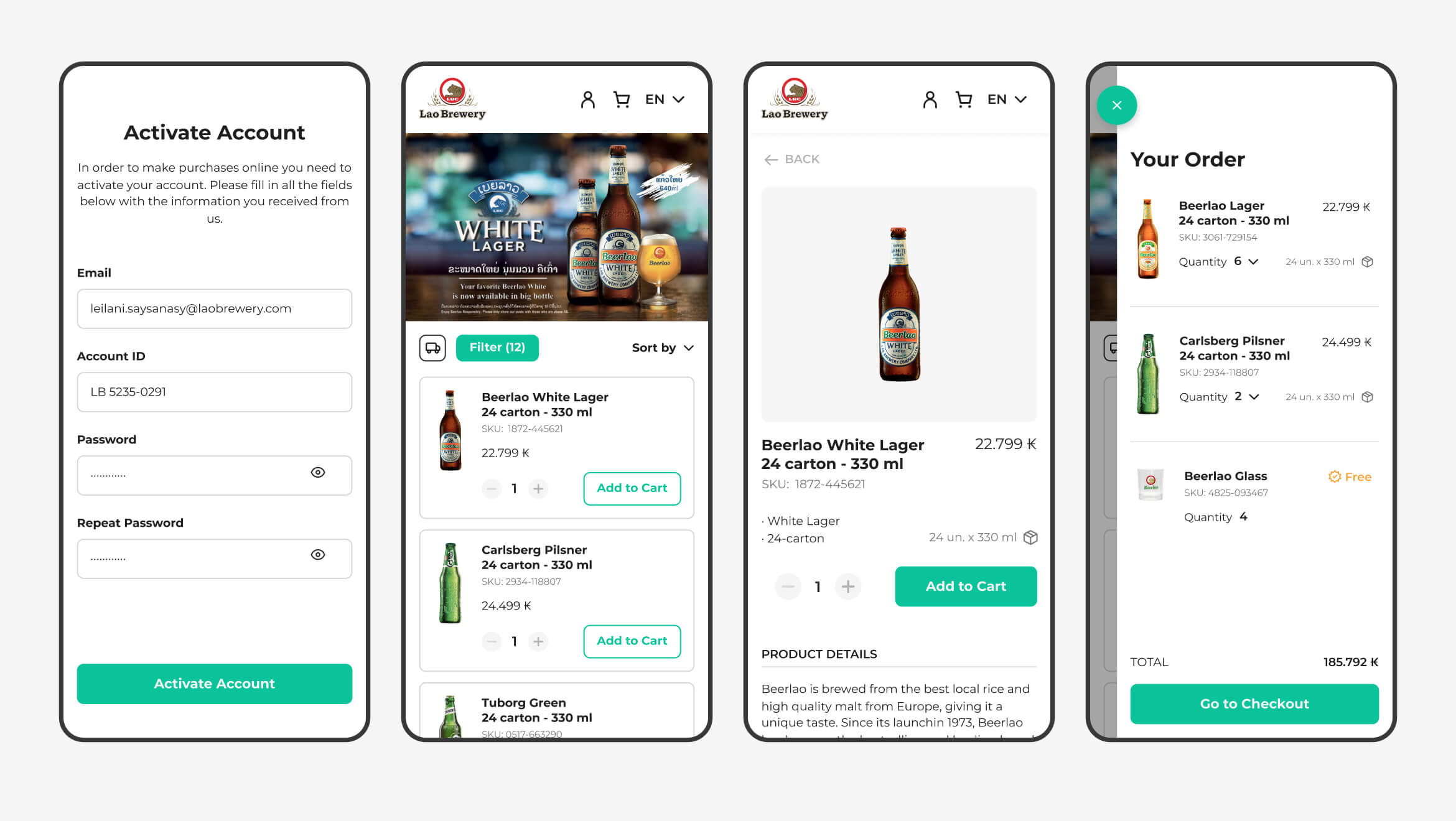
In Laos, 80% of all communication and sales with wholesalers ran through WhatsApp. Email wasn't part of the workflow.
That insight shaped everything. We went mobile-first from day one and scoped a core flow to validate the concept quickly — account activation, catalog, cart, and checkout.
Research in the field
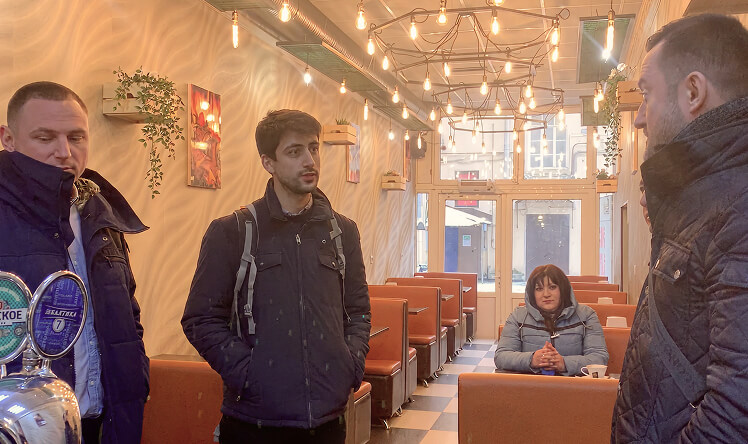
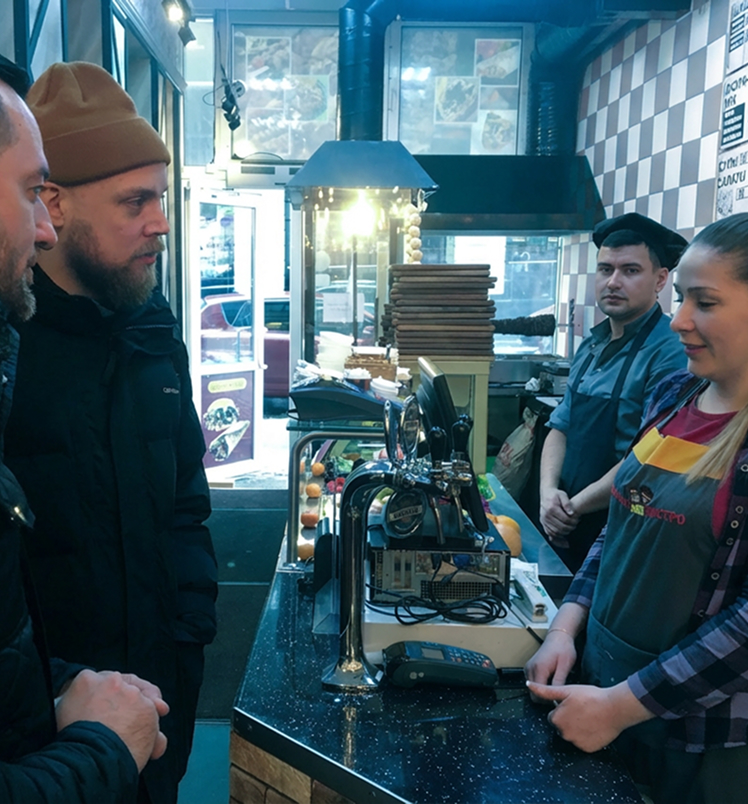
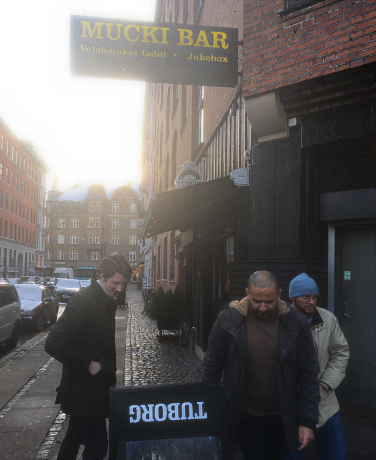
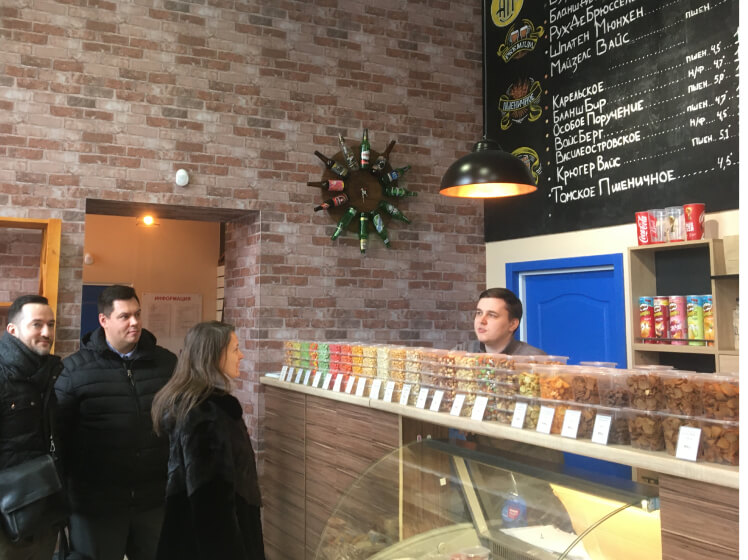
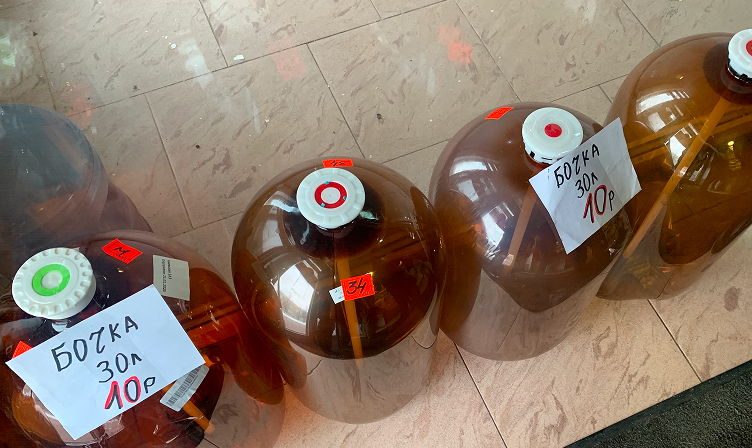
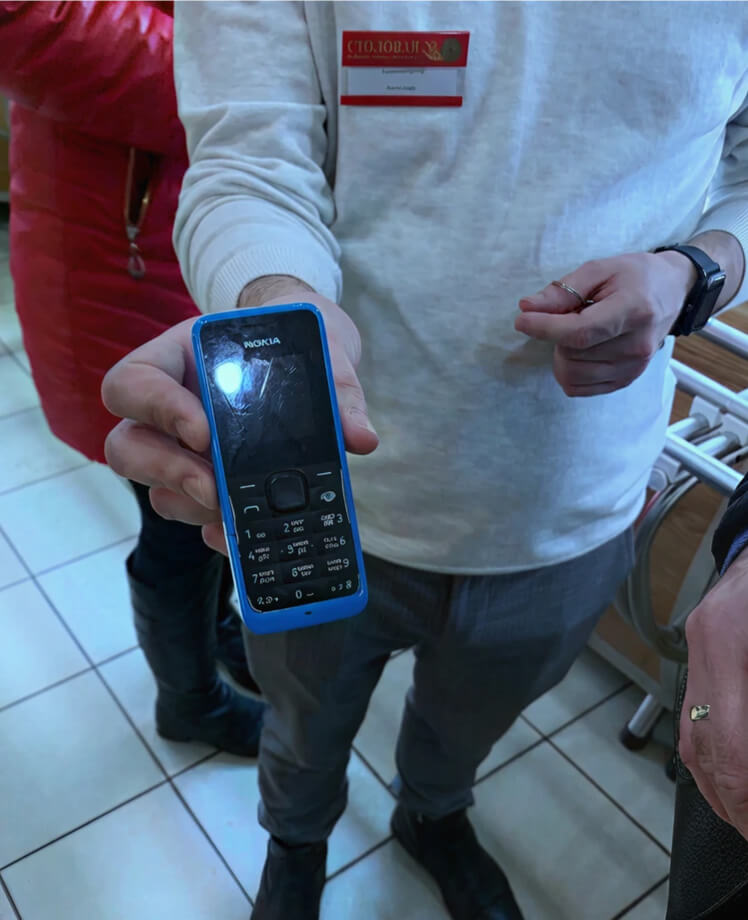
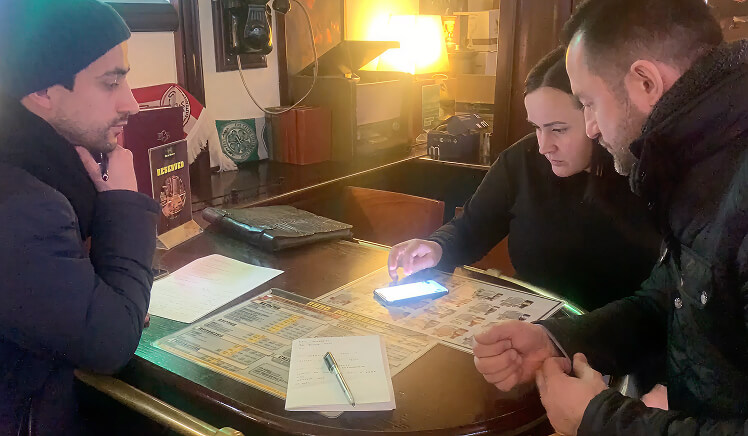
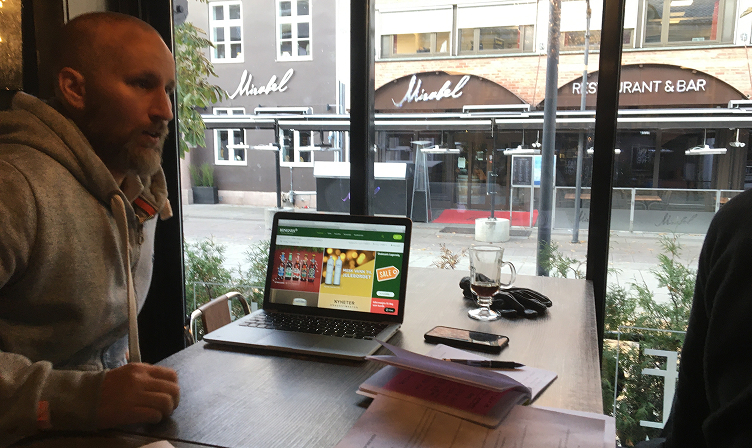
Russia was the second market, much larger than Laos and a real test for the platform. We ran customer interviews and visited outlets across the country to understand local operations, and travelled to Denmark and Norway to learn from more established Carlsberg e-commerce markets.
PHASE 2
Baltika Brewery
From the field visits, we identified key gaps for the Russian market:
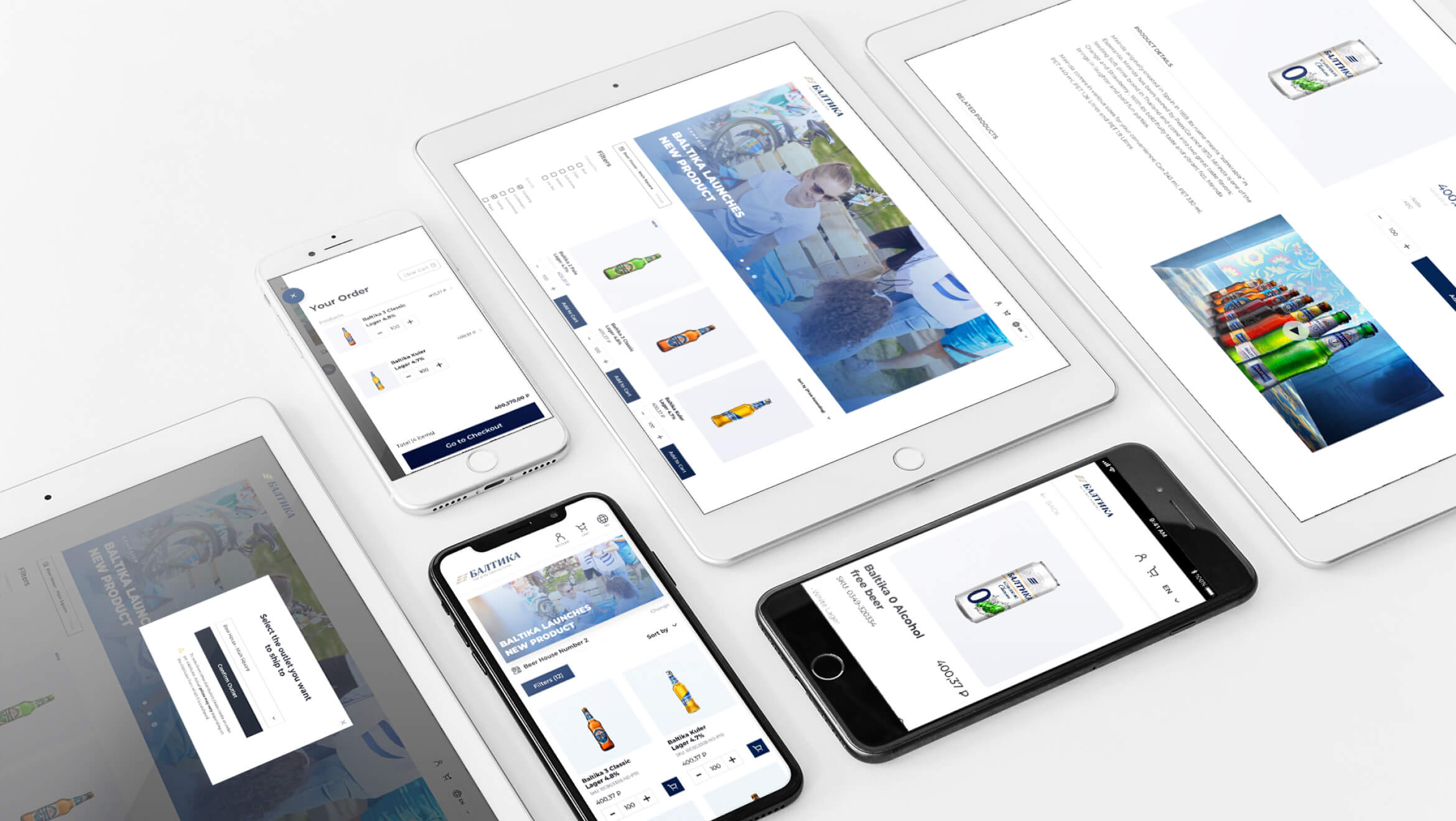
Stock availability and promotions were crucial for daily operations. Tablet and desktop usage was significantly higher than in Laos. And the product catalog was much larger — requiring improvements in responsiveness, product imagery, and card design.
PHASE 3
Local to global
With two markets live, our approach shifted to a global template that new markets could adapt locally. New features were designed not just for local needs but with global reuse in mind, resulting in a more modular platform, where each market could define its own accent color and complementary branding elements.